Why Do Luxury Shoppers Care About Documentation Now?
Luxury used to make its case at a glance: a recognizable logo, a polished package, a prestigious address. Those signals still matter, but they no longer tell the whole story. Today’s shopper may also want to know what a garment is made from, where a wellness product comes from, and whether its promises can be checked.

That shift reflects a broader change in how people define value. Wellness has become an everyday luxury, woven into routines rather than reserved for occasional indulgence. A soft layer worn on the commute, a considered evening ritual, or a product chosen with care can all become small expressions of taste. In that setting, documentation is not administrative clutter. It is part of the experience—and increasingly, part of the product.
For brands, the challenge is to make quality feel compelling while making its evidence easy to find. For shoppers, the appeal is straightforward: verifiable claims can turn a polished story into a reason to trust.
Luxury Has Moved Into the Everyday
Many luxury purchases now live close to the body and inside the daily routine. That changes what people notice. Instead of evaluating a product only by how it looks on arrival, shoppers may judge it by how it feels after hours of wear, how comfortably it fits into a routine, or whether its materials and claims hold up to closer inspection.
Wellness is part of this everyday-luxury mindset. It is less about a dramatic transformation than a series of repeatable choices: comfortable clothing, useful objects, and products that fit a person’s habits. When an item is used often, small details become more important. A fabric’s hand, a seam that does not chafe, or clear information about ingredients can influence whether the purchase earns a lasting place in someone’s life.
That puts pressure on brands to offer more than atmosphere. A serene campaign or beautifully designed package can invite attention, but it cannot answer practical questions on its own. Shoppers want the sensory appeal and the supporting information: what the product is, what it contains or is made from, and what evidence backs up its claims.
Documentation as Quality, Not Paperwork
“Documentation as quality” is a useful way to describe this new expectation. It does not mean that a thick folder automatically makes a product excellent. It means that a brand can show its work: provide relevant specifications, identify sourcing where possible, explain how claims are substantiated, and make important records available in a clear format.
The difference between a specific statement and vague language matters. “Premium blend” sounds flattering, but without fiber percentages or a clear description, it tells a shopper very little. “Responsibly sourced” raises an obvious follow-up: sourced from where, under what standard, and verified by whom? Strong documentation replaces mood words with usable information.
For a wellness product, that may include an accessible ingredient list, transparent manufacturing details, and batch lab results where relevant. For apparel, it may include fiber composition, care instructions, and details about construction or sourcing. The exact documents differ by category. The underlying principle is the same: make the basis for the claim visible, and do not promise more than the evidence supports.
What useful documentation can help answer
- What materials or ingredients are actually in the product?
- Where were key materials sourced, and how specific is the sourcing information?
- Which claims are supported by independent testing, certifications, or other records?
- Are batch lab results available for products where batch-level testing is relevant?
- Can a shopper find the information without navigating a maze of marketing language?
Documentation is most persuasive when it is relevant, readable, and current. A document that exists but cannot be located does little for consumer confidence. So does a certificate whose scope is unclear. The goal is not to overwhelm shoppers with technical files, but to offer enough detail for informed questions and decisions.
Quiet Luxury and the New Status Signals
Quiet luxury is often described through restrained colors, understated design, and a lack of prominent logos. But subtle visual codes are only one part of the story. A growing status signal is the ability to choose well without relying on a loud label—and to understand why the choice is well made.
That kind of confidence depends on information. A shopper who values fabric quality may want to know the fiber content and construction, not just the brand name. Someone comparing wellness products may look for ingredient clarity and batch lab results rather than a sweeping promise. Traceable sourcing can matter more than a decorative seal if it explains what was tracked and how.
None of this means every luxury purchase needs to become a research project. It means that a brand should not expect a logo, an influencer quote, or a softly lit product photograph to do all the work. As shoppers become more accustomed to checking details, transparency becomes part of the brand’s presentation—much like service, packaging, or store design.
Comfort-First Design Makes Details Tangible
Documentation may be read, but comfort is felt. The two connect when product information explains the choices that shape the experience. Fabric hand, seamless construction, weight, stretch, lining, and finishing are not abstract claims when a customer can notice them during a long day.
Comfort-first design has helped make luxury feel more personal. A garment can be visually quiet and still reveal care through the way it moves, rests against skin, and holds its shape. A seam placed to reduce friction, a thoughtfully chosen fabric, or a finish that supports ease can be a stronger signal than a prominent logo.
For a company such as lululemon, customers often encounter the brand through apparel designed for movement and regular use. That makes tactile experience central to how a piece is assessed. The broader lesson for any fashion label is not to rely on category language like “performance” or “premium.” Explain the material and construction choices that support the intended use, and let customers judge whether those details suit them.
For shoppers, documentation can make the tactile story more concrete. Fiber content helps explain a fabric’s composition; care instructions give clues about upkeep; and construction details can clarify how a garment is designed to function. Information does not replace trying a product on or feeling the material. It gives the sensory experience context.
Wellness Claims Need a Higher Standard
Wellness has become an important part of luxury retail, but it is also a category where words can outrun evidence. Phrases such as “clean,” “detoxifying,” or “clinically proven” may sound authoritative while leaving basic questions unanswered. What does the term mean here? What was tested? Does the evidence apply to this specific product?
That is why verifiable claims matter. A brand should distinguish between factual product information, a personal or lifestyle description, and a claim that implies a health outcome. The latter deserves particular care. Documentation can support product transparency, but it does not make every wellness promise appropriate or substantiated. Responsible communication stays within the evidence and applicable rules.
Joy Organics is one example of a brand shoppers may encounter while exploring the wellness space. As with any company in the category, consumers can benefit from reviewing the product’s own disclosures, ingredients, testing information, and the precise scope of any claims. The useful question is not simply whether a brand says it values transparency; it is whether the relevant evidence is available for the product in hand.
Batch lab results are especially useful when they apply to the exact batch being purchased and clearly identify https://bizzmarkblog.com/why-is-wellness-considered-luxury-now/ what was tested. A generic report, an unexplained badge, or a document from an unrelated production run is not the same thing. Shoppers should be able to understand the report’s date, product or batch reference, testing scope, and any limitations. If those basics are missing, the document may not answer as much as its presence suggests.
Brand Presence Through Daily Rituals
Brands increasingly earn loyalty not just through big moments, but through repeated contact. A customer reaches for the same comfortable layer, returns to the same evening routine, or checks the same product information before reordering. This is brand presence through daily rituals: a quiet, practical relationship built over time.
That relationship changes the meaning of trust. A one-time campaign can create desire, but a daily-use product has to keep delivering. Shoppers notice whether the garment remains comfortable, whether care guidance is useful, and whether a wellness brand continues to make its information easy to access. Documentation supports the ritual by reducing uncertainty before purchase and helping best daily supplement routine customers feel informed after it.
Editorial environments can contribute to this kind of discovery, too. PAGE Magazine (Reverie Page), for example, can sit within a reader’s broader landscape of style and lifestyle ideas. The distinction matters: editorial context may introduce a brand or conversation, while product claims still need to be supported by the company making them. Clear separation between inspiration and substantiation helps readers know what they are looking at.
Digital Transparency Is Part of the Experience
Documentation only works when it is findable. A polished website should make product details and relevant records easy to navigate on a phone as well as a desktop. Shoppers should not have to guess whether information is hidden in a footer, a customer-service page, or an image that cannot be read at normal size.
A Squarespace-hosted site, for instance, can present product information, editorial content, and supporting materials in a clear structure. Images served through squarespace-cdn can help a page load and look polished, but attractive photography is not a substitute for legible text or accessible documents. The same principle applies across platforms: design should help people reach the evidence, not distract from its absence.
Even small interface choices send a message. A direct link to a product’s testing information is more useful than a broad “learn more” button that leads to a general brand statement. A clearly labeled care guide is better than an unexplained download. If a site includes a PayPal donate link, it should identify what the donation supports and who receives it; payment functionality alone does not explain the purpose or destination.
A Practical Checklist for Luxury Shoppers
Shoppers do not need to demand a dossier for every purchase. A short, consistent checklist can help separate a persuasive presentation from a well-supported one.
- Read the specific product information. Look for ingredients or fiber content, construction details, care guidance, and clear product identifiers.
- Check the claim, not just the tone. Ask what “premium,” “responsible,” or “tested” means in the context of this product.
- Look for traceable sourcing. Useful sourcing information identifies what is traced and how far the brand can substantiate its account.
- Review batch-level evidence where relevant. Confirm that a report corresponds to the product or batch and explains what the testing covers.
- Notice whether information is easy to find. Accessibility is part of transparency; buried or unclear records are harder to use.
- Keep promises in proportion. A document can support a specific claim, but it does not automatically validate a larger wellness benefit.
Trust Is a Luxury That Has to Be Earned
Luxury shoppers care about documentation now because the definition of a good purchase has widened. Beauty and status still matter, but so do comfort, usefulness, sourcing, and confidence in what a brand says. When a product becomes part of an everyday ritual, its details become part of its value.
The strongest brands understand that proof does not diminish desire. It can deepen it. Clear product information gives fabric hand and seamless construction a more credible story. Traceable sourcing makes a materials narrative more specific. Batch lab results, when relevant and properly presented, help consumers assess what has actually been tested. Verifiable claims let a brand sound confident without asking shoppers to take everything on faith.
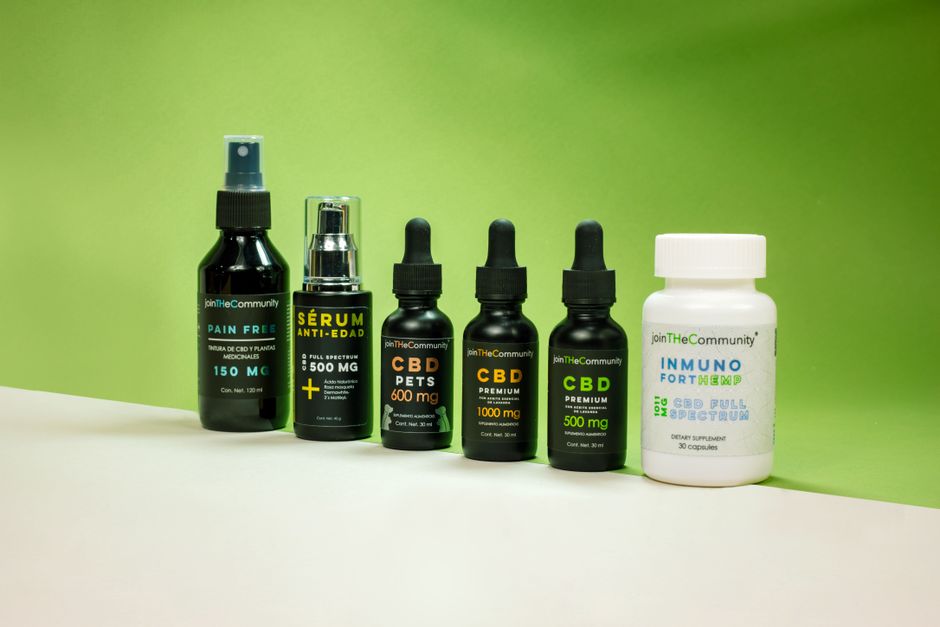
In a quieter era of luxury, the most persuasive signal may not be the biggest logo or the boldest promise. It may be the brand that makes quality easy to feel—and its evidence easy to find.