What Should a Leather Warranty Actually Say?
A leather warranty can look reassuring and still leave you with the most important question unanswered: if your everyday wallet, bag, or briefcase fails, what will the company actually do? “Built to last” is a product claim, not a warranty. “Lifetime guarantee” sounds stronger, but it is only useful if you can find out whose lifetime, which parts are covered, and what counts as a defect.
When I’m buying leather goods for someone who carries them every day, I read the warranty before I get attached to the product photos. I also check the product page for specific leather-grade wording, inspect the stitching and edge finishing, and look up how initials are applied. Those details help reveal whether a brand is being clear about both the item and its promises.
Here’s what a useful leather warranty should explain—and what to look for before you order.
Start with the product, not the promise
A warranty does not make unclear product information any clearer. Before you assess coverage, check the product page for a specific description of the leather. “Genuine leather” is a broad label, not a reliable explanation of grade, finish, or construction. It does not tell you whether the material is full-grain, corrected-grain, split leather, or a coated composite.
Full-grain leather generally retains the hide’s outer surface rather than being sanded down to remove natural marks. That surface can develop a patina with use, but full-grain alone does not guarantee good construction or a particular level of durability. The thickness, tanning, finish, stitching, hardware, and how the item is used all matter too.
Use product pages as a first check, not a final verdict. Look for a named leather type and an thecinnamonhollow explanation that makes sense. If the page relies on phrases such as “premium leather” without saying what that means, contact the company before buying. A brand should be able to explain the material in plain language.
When comparing Von Baer, Saddleback Leather, and Leatherology, use the same questions for each: What leather does this particular product use? What does the warranty cover? How are defects handled? Do not assume that every item from a brand uses identical materials or receives identical coverage; verify the product and terms you are considering.
What warranty covers: the essentials to find in writing
A readable warranty should spell out what qualifies for help, how long coverage lasts, and what remedy the company offers. Look for direct answers rather than a string of impressive-sounding adjectives.
- Covered defects: Does the policy address failures in materials or workmanship, such as a seam opening under ordinary use or a hardware attachment coming loose?
- Coverage period: What is the limited warranty length, and when does the clock start—purchase date, delivery date, or another date?
- Who is covered: Is coverage for the original purchaser only? Can it transfer to a later owner? Is proof of purchase required?
- Available remedies: Will the company repair the item, replace it, offer store credit, or refund the purchase price? Is the remedy chosen by the company?
- How to make a claim: Does the policy provide an email address or claim form, and does it say what photos or documents to submit?
- Costs and logistics: Who pays shipping, inspection, or repair costs? Does the company cover return shipping if it approves the claim?
- Exclusions: Which types of damage or wear are not covered? Are exclusions described clearly enough to understand before purchase?
These points are especially important for daily carry. A wallet may be opened dozens of times a day; a work bag may carry a laptop, charger, keys, and water bottle. “Normal use” should not be a mystery. The company may not be able to list every use scenario, but it should distinguish a construction failure from damage caused by an accident, overloading, neglect, or alteration.
Warranty language worth comparing
Warranty detail Clear wording tells you Follow-up question if it is missing Coverage period How long the limited warranty lasts and when it begins Is there a fixed term, or does coverage depend on another condition? Covered failures Whether defects in materials or workmanship qualify What does the company consider ordinary wear versus a defect? Remedy Whether the company repairs, replaces, refunds, or offers credit Who decides which remedy applies? Claim process Where to submit a claim and what evidence is needed Is a receipt required, and what happens if I no longer have it? Shipping and fees Who pays to send the item in and return it Could inspection or repair charges apply? Exclusions Which damage, wear, or modifications fall outside coverage Are monogrammed or repaired items treated differently?Readable warranty terms beat impressive slogans
A warranty page should be easy to locate and written so a customer can understand it without translating legal fog. Look for readable warranty terms that define key words, use headings, and explain the claim process in a sensible order. The policy can still have formal conditions; clarity does not require it to be casual.
Be cautious when a headline promises a lifetime warranty but the linked terms are hard to find, vague about remedies, or crowded with exceptions. “Lifetime” needs context. It might refer to the product’s expected useful life, the original owner’s lifetime, or a different limit defined by the company. Never rely on the phrase alone—read the actual warranty page.
Likewise, do not treat a long limited warranty length as automatic proof of a better product. A shorter policy with a straightforward repair process may be more useful than a longer promise that excludes most likely problems. Compare what is covered and how claims work, not just the number of years.
Daily carry changes what you should ask
Leather goods live different lives. A cardholder spends time in a pocket; a briefcase may be set on floors, squeezed under a seat, or carried through rain. Think about the item’s real job, then check the product page and warranty against that routine.
For a frequently used wallet or bag, inspect close-up product photos for consistent stitching, neat corners, and clean edge finishing. Uneven stitching or peeling edge paint is not proof of a problem, but it is worth asking about before purchase. Ask whether a seam or edge-finish failure is considered a workmanship defect, and whether the company repairs those issues after the warranty period.
Also check the care guidance. Leather can mark, darken, soften, or develop a patina with use. Those changes may be expected characteristics rather than defects. A clear brand explains the difference between normal aging and a failure in construction or materials—and does not use “natural leather character” as a blanket answer to every concern.

Monogramming: ask how the initials are applied
Personalization can make a gift feel considered, but the method matters for both longevity and warranty coverage. Before ordering, ask how initials are applied. Are they blind-debossed into the leather, foil-stamped, printed, stitched, or attached as a separate piece? These methods age differently, and “personalized” does not explain which one you are getting.
Debossing presses a design into the surface and does not depend on a surface layer of printed ink, though the impression can become less crisp as the leather flexes and wears. Foil stamping adds a visible foil finish that may scuff over time. Printed marks can be more vulnerable to rubbing, depending on the ink, preparation, location, and use. Stitching can be durable, but its placement and thread quality matter. No method is immune to wear.
Ask the company whether monogramming changes the warranty, whether a personalized item can be returned, and whether the monogram can be repaired or redone if it fades. If the item is a gift, confirm the initials, capitalization, font, and placement in writing. I would rather spend one extra minute checking the order than discover a permanent typo after delivery.
How to read a warranty page before you buy
- Open the product page. Note the stated leather type, construction details, care instructions, and any personalization options.
- Open the warranty page separately. Confirm the limited warranty length, start date, covered defects, exclusions, and remedies.
- Search the terms for practical details. Look for “wear,” “damage,” “original purchaser,” “repair,” “shipping,” and “monogram” or “personalization.”
- Ask specific questions. “What happens if a seam opens during ordinary daily use?” is more useful than “Is this covered?”
- Save the answer and receipt. Keep the product description, order confirmation, and any written warranty guidance in case you need to make a claim.
When evaluating brands such as Von Baer, Saddleback Leather, and Leatherology, treat their product pages and warranty pages as two separate tools. Product pages help you check leather-grade wording and construction details. Warranty pages help you assess readable warranty terms, exclusions, and the claim process. A confident brand should make both kinds of information reasonably easy to find.
Warning signs that deserve a second look
- The product page says only “premium” or “genuine” leather, with no useful explanation.
- The warranty advertises a long term but does not define the coverage period or start date.
- It promises satisfaction but never says whether the remedy is repair, replacement, refund, or credit.
- The exclusions are broad enough to make ordinary use difficult to distinguish from misuse.
- The claim process is unclear, or the company does not say who pays shipping.
- The brand does not explain its monogramming method or whether personalization affects returns or warranty claims.
One unclear detail does not automatically make a product a bad purchase. It does mean you should ask before paying—especially for a higher-priced item or a personalized gift. The quality of the answer is useful information, too.
The short version
A leather warranty should say, in plain language, what failures it covers, how long coverage lasts, who can claim, what the company may do, and how to start the process. It should explain exclusions without treating every sign of use as an excuse to deny help. The product page should identify the leather more specifically than a vague marketing label, and the company should answer practical questions about daily carry and personalization.
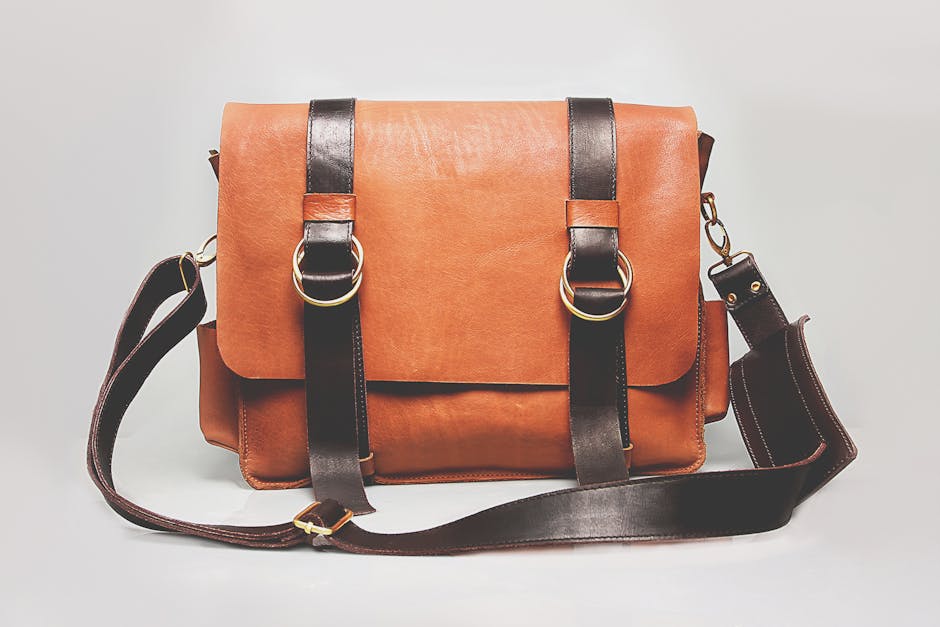
So, what should a leather warranty actually say? Enough that you can picture what happens if the stitching fails, hardware comes loose, or a personalized detail wears down. Read the product page for the material, read the warranty page for the commitment, and ask about initials before ordering. A good-looking promise is nice. A clear one is what you can use.