What Does It Mean When the FDA Asks Congress for a New CBD Pathway?
When the FDA asks Congress for a new regulatory pathway for cannabidiol, or CBD, it is not announcing that CBD products are approved, that current rules have changed, or that shoppers can assume a product is safe because it is sold openly. It is saying that the existing legal framework does not fit the way CBD is being marketed and used—and that Congress may need to create rules designed specifically for it.
That distinction matters to consumers, retailers and lifestyle brands. CBD has moved from a niche wellness ingredient into an everyday proposition: a tincture beside the vitamins, a balm in a gym bag, or a bedtime product framed as part of a calming routine. At the same time, federal rules remain unsettled. The phrase “new regulatory pathway” can sound like a green light, but it describes a request for a policy solution, not a finished set of CBD supplement rules.
Here is what the FDA’s position means, what remains uncertain, and why the issue reaches beyond supplements into fashion, beauty and the larger business of everyday wellness.
What the FDA is asking for—and what it is not
The FDA has said that the existing food and dietary supplement frameworks are not an appropriate fit for CBD without additional action from Congress. A central complication is that CBD has been investigated and approved as a drug ingredient. Under the Federal Food, Drug, and Cosmetic Act, that history creates legal obstacles to marketing CBD as a dietary supplement or adding it to conventional food, unless an exception or a new legal framework applies.
The agency has also raised questions about safety, including potential effects on the liver and interactions with other medications. Its concern is not simply whether CBD is popular or whether consumers report finding it useful. A regulatory system would need to address what products can contain, how they are made, how much people may consume, what warnings are required, and how safety is monitored.
When people search “FDA asks Congress CBD,” they may encounter headlines that make the request sound like a policy decision already in force. It is not. The FDA can explain why it believes a new system is needed and recommend that Congress act, but Congress must pass legislation for a new pathway to become law. Until then, the underlying federal rules and the agency’s stated position still matter.
Why a “new regulatory pathway” matters
A pathway is a legal route for bringing a product to market under defined conditions. A CBD-specific pathway could, in theory, set requirements tailored to the ingredient rather than attempting to fit CBD into rules developed for conventional foods or supplements. The details would depend on what Congress writes and what agencies are empowered to implement.
Possible elements might include limits on serving sizes, age restrictions, manufacturing standards, labeling requirements, warnings, testing expectations or rules for particular product types. Those are examples of issues a law could address—not a description of rules already adopted. The phrase “new regulatory pathway” is broad; it does not tell shoppers which products would qualify or what claims companies could make.
What the phrase may mean What it does not mean FDA believes Congress may need to create a framework suited to CBD. CBD is now approved by the FDA as a general supplement ingredient. Future legislation could set product, labeling or safety requirements. Every product labeled “hemp-derived” is legal or compliant. Rules may change if Congress passes a law and agencies implement it. A company’s wellness language proves a product’s safety or effectiveness.CBD supplement rules: the practical picture today
The 2018 Farm Bill removed hemp from the federal Controlled Substances Act definition of marijuana, subject to the law’s conditions, including a delta-9 THC threshold. That change is often shortened in marketing to “hemp is legal.” It did not make every hemp-derived product legal for every use, nor did it erase the FDA’s authority over foods, drugs, cosmetics and supplements.
That is why “hemp-derived” and “FDA-approved” are not interchangeable. Nor does a product’s presence in a shop, on a marketplace or in a social media post establish that it meets all applicable requirements. State laws can add another layer, and rules may vary by product category and location.
CBD sellers may also make claims that trigger drug regulation. Saying a product treats anxiety, inflammation, pain or a disease is different from describing a scent, texture or general lifestyle ritual. Consumers should be wary of health promises that sound definitive but are not supported by appropriate evidence or permitted under the relevant rules.
What shoppers can check
- Look for a batch-specific certificate of analysis. A useful lab report should identify the tested batch, show cannabinoid results and come from a laboratory with appropriate testing capabilities. A generic “lab tested” badge is not the same thing.
- Check whether the report is accessible. A brand that posts batch results makes it easier to evaluate its claims. If a company says “THC-free,” look for a report that supports that specific statement rather than relying on the phrase alone.
- Read the full ingredient and serving information. Note the amount of CBD per serving, other active ingredients, directions and warnings. Do not assume a larger amount is better or that products are interchangeable.
- Separate product facts from wellness language. Words such as “calm,” “recovery” and “balance” can be suggestive without explaining what a product does. Ask what is measurable and what is merely mood-setting copy.
- Talk with a health professional when relevant. CBD may interact with medicines and may carry risks for some people. A clinician or pharmacist can help assess individual circumstances.
Why this is a lifestyle story, not just a regulatory one
The FDA discussion is happening as wellness language spreads across fashion, beauty and home life. Brands increasingly sell not only a garment or a topical product but a version of a day: the early workout, the recovery window, the wind-down ritual. “Rest day” has become a product category in its own right, and the vocabulary of care can make ordinary purchases feel like personal health decisions.

That shift connects to a broader change in luxury. Occasion-based luxury asks a customer to save an item for a special event. Everyday ritual asks the customer to use it constantly. A soft layer for the commute, a fragrance used before bed, or a balm kept beside the keys can earn a place in daily life. The product’s value is partly its repeated presence.
Comfort-first design helps make that promise tangible. Fabric hand-feel, seam placement, stretch, scent and packaging all communicate how a product might fit into a routine. Brands such as lululemon have helped make technical comfort a mainstream part of lifestyle dressing: clothing is expected to move from workout to errands and back again. That shift does not make apparel a medical product, but it shows how performance and well-being language can become part of everyday brand identity.
CBD marketing fits naturally into this landscape because it is often presented as a routine ingredient rather than an occasional indulgence. A tincture or topical can be positioned as a nightly or post-workout habit. Daily-use products may increase brand presence simply because customers encounter them more often. But frequency of use does not establish efficacy, and a soothing brand world is not a substitute for evidence or clear labeling.
How brands should handle the gap between ritual and regulation
For companies, the regulatory uncertainty creates a trust test. A brand can make a product feel inviting through design and language; it still has to explain what is in the package, what has been tested and what customers should not infer. The strongest communication separates sensory description from health claims and makes documentation easy to find.
For example, a company can describe a balm’s texture, its fragrance or the way the packaging fits into a travel kit without promising that it treats a condition. If it makes a measurable claim about cannabinoid content, that claim Look at more info should be supported by relevant testing. If it says “THC-free,” consumers should be able to find a batch report that clearly supports the wording. This is where brand storytelling meets the unglamorous but essential work of quality control.
Joy Organics is one example of a consumer-facing CBD brand in a category where shoppers should examine product-specific documentation rather than rely on reputation or broad wellness messaging. The same standard applies to any seller: look for accessible, batch-level lab results and clear ingredient information. Mentioning a company is not an endorsement, and no brand’s presence in a market should be read as proof that the FDA has approved its products.
Editorial and commerce teams covering the category have a similar responsibility. A publication such as PAGE Magazine can discuss how wellness aesthetics influence fashion and lifestyle without treating regulatory uncertainty as a footnote. The key is to distinguish a product’s cultural appeal from its legal status and substantiation.
Making the information easier to navigate
Brands and publishers can also make the information architecture clearer. With Squarespace, a company or editorial team can organize a site so that product details, ingredient lists, testing documents, FAQs and policy updates are easy to locate—not buried beneath campaign imagery. A clean site structure is not evidence of compliance, but it can make transparent information more usable. Digital assets such as a clearly labeled batch-report library or a dated regulatory explainer can help readers find the documents they need.
For ongoing coverage, a Substack linked profile can give readers a direct route to an editor’s or brand’s updates, including corrections and new explainers. That link should lead to a real, maintained profile, not function as a decorative badge. In a fast-changing category, clear dates and update notes matter: readers should be able to tell when an explanation was written and whether it reflects a later policy change.
What to watch next
The most meaningful change will come from concrete legislation, not a headline alone. Watch for whether Congress introduces or passes a bill, which product categories it covers, and whether it gives regulators authority to set limits and enforcement rules. Also look for how any proposal addresses age, serving sizes, testing, adverse-event reporting and claims.
Until a new law takes effect, consumers should treat “FDA asks Congress CBD” as a signal of unresolved policy—not a certification. The request highlights a mismatch between widespread commercial use and the current federal framework. It does not answer every question about safety, legality or product quality.
The bottom line
When the FDA asks Congress for a new CBD pathway, it is asking lawmakers to consider rules designed for a product category that does not fit neatly into the existing food and supplement system. That could eventually bring clearer standards, but the request itself does not create them. For now, CBD supplement rules remain complicated, and shoppers should check product-specific information, seek batch lab results and be skeptical of claims that outrun the evidence.
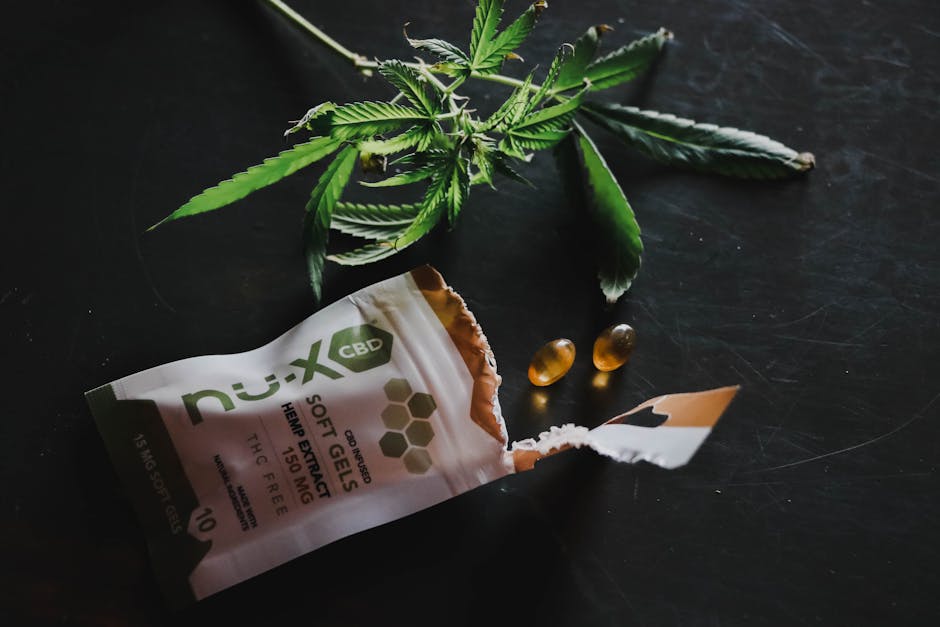
As wellness language enters fashion and lifestyle branding, the distinction becomes even more important. A daily ritual can be beautifully designed; a soft texture can make a product pleasurable to use; and repeated use can make a brand more visible in a customer’s life. None of those qualities answers the regulatory question. Trust comes from pairing the ritual with documentation—and keeping the measurable facts separate from the marketing mood.