If I Only Have One Thing From the Original Set, What Should It Be?
In the world of watch collecting and resale, the phrase "full set" often gets thrown around like a golden ticket—but what exactly does it mean, and how much does it truly impact value? For first-time sellers (and even some seasoned collectors), understanding which original set component carries the most weight can make a big difference in pricing and buyer confidence. Spoiler alert: not all parts of the original packaging are created equal.
Understanding the "Full Set" Myth
Let's get one thing straight: a "full set" traditionally refers to a watch accompanied by its original box, warranty card, manual, hang tags, receipts, and sometimes even service papers. Sellers often treat this as an all-or-nothing proposition, assuming that any deviation from a 'full set' significantly diminishes value. The truth? It’s more nuanced.
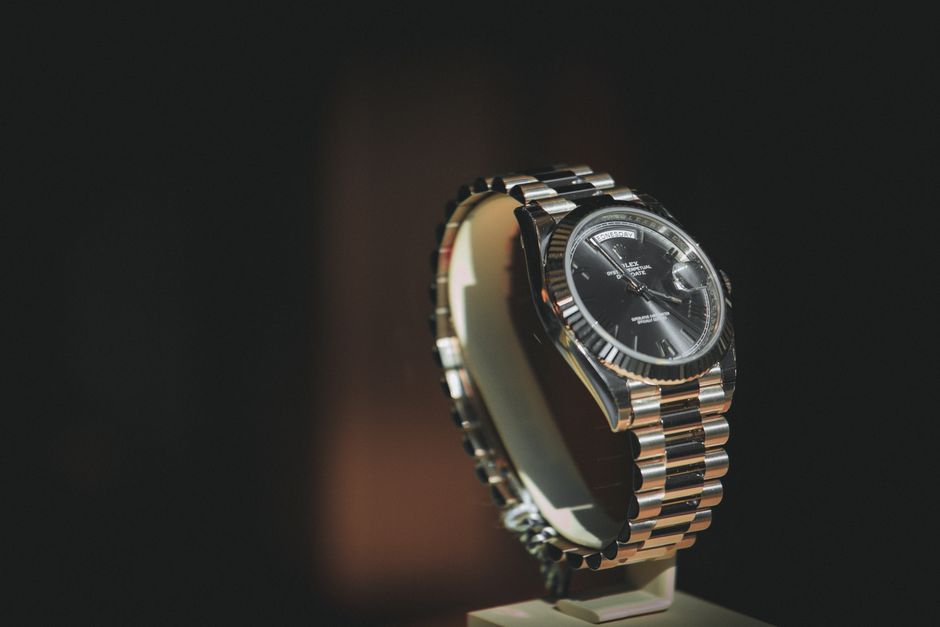
In practice, many buyers—and dealers—prioritize certain items over others, especially when authenticating and valuing a watch. A pristine box looks great in photos but doesn’t confirm authenticity or provenance. Conversely, a missing box is rarely a dealbreaker if the watch comes with the right documentation. So if you’re only going to hold on to one thing from the original set, which one delivers the most resale leverage?
Warranty Card Priority: The Best Single Document
The warranty card (sometimes called the warranty certificate or international guarantee card) outperforms all other individual elements for resale purposes. Here’s why:
- Serial Number Cross-reference: The warranty card has the serial and model numbers that should match the watch case. This cross-reference verifies authenticity—a critical factor for buyers wary of counterfeit or swapped parts.
- Date Consistency Check: The card often shows the purchase or warranty start date, which you can cross-check against the watch’s known production window. This helps confirm the watch's originality and that the serial numbers haven’t been tampered with or replaced post-sale.
- Proof of Ownership and Legitimacy: While not as bulletproof as registration with the manufacture’s database, a legitimate warranty card sold with the watch lends trust from buyer to seller. Ownership chain questions often arise on the secondary market; this card helps bridge some of those gaps.
- Resale Price Drivers: Watches with original, matching warranty cards consistently fetch premiums — sometimes thousands more depending on brand and model.
How to Use the Warranty Card Effectively
- Inspect Serial Number Coherence: Check that the serial number on the card exactly matches the serial engraved on the case—no discrepancies.
- Confirm the Date: Use reliable serial-date charts (many credible watch reference sites publish these) to confirm that the watch’s production window aligns with the warranty card date.
- Highlight this in Your Listing: When selling, mention the presence of the original warranty card prominently. Include clear photos and specify serial numbers to demonstrate transparency.
Receipts and Service Records: Secondary But Still Valuable
What about sales receipts and service papers? These are often overshadowed by warranty cards but serve important secondary functions:
- Sales Receipts: Show transaction history and ownership provenance. Especially relevant for limited editions where chain of custody is crucial.
- Service Records: Provide evidence the watch was maintained properly and authentically serviced, adding to buyer confidence for mechanical reliability and originality.
While these documents won’t command the same attention as a warranty card, they can reduce buyer hesitation by supporting the watch’s backstory and condition.
Why Box Value Is Often Overstated
Having the original box is nice—it enhances presentation and protects the watch during endless bouts of unboxing videos or Instagram posts. However, boxed watches without matching documentation generally don’t reach their potential sales price.
In fact, boxes are often easier to obtain aftermarket or even through secondary sellers. Their condition varies widely, and unlike the warranty card, a box alone cannot authenticate or verify the watch’s history.
Many sellers fixate on posturing a watch as full set just because of the box, even when vital warranty cards or receipts are missing or dubious. This kind of "box worship" sometimes misleads sellers into overpricing or assuming they can gain a significant premium, which buyers won’t always pay.
Practical Takeaways: What Should You Keep?
Component Value for Resale Key Benefit Common Buyer Perception Warranty Card Highest Authenticity, Serial Number Match, Date Validation Must-have document for trust and price premiums Receipts / Service Records Medium Proof of Ownership & Maintenance Boosts confidence but secondary to warranty card Original Box Low to Medium Presentation and Protection Nice to have but can be replaced or forgone with limited penaltyAddressing Common Seller Questions
Q: If I only have one thing, can the receipt replace the warranty card?
No. Receipts confirm purchase but don’t verify the watch itself. Warranty cards tie specific serial numbers to dates in a way receipts cannot. Buyers place more trust in https://highstylife.com/do-i-need-a-certificate-of-authenticity-when-buying-a-watch-on-a-cruise/ warranty cards when it comes to authenticity.
Q: How do I validate the warranty card isn’t fake or mismatched?
Perform a https://smoothdecorator.com/do-you-have-to-declare-a-duty-free-watch-when-you-re-enter-the-united-states/ serial number cross-reference with the watch itself. Then compare the card’s date to known production date ranges for that serial number (many brands have published databases or third-party references). Inconsistencies often point to issues, which you should disclose upfront.
Q: Will losing the box hurt my resale price drastically?
Usually not. Unless you’re selling a hyper-limited edition where presentation pieces are especially collectible, lack of a box is a minor concern compared to missing warranty documentation. Buyers focus more on authenticity and ownership proof than on packaging.
Final Thoughts: What Would a Buyer Actually Pay For This?
If you’re wondering which piece of the original set to guard with your life, it’s hands down the warranty card. It’s the keystone to resale value and buyer trust, far outweighing the sentimental or superficial appeal of boxes or manuals.
Sellers and collectors alike should focus on verifying and preserving the warranty card’s integrity. Use serial number cross-references and production date checks to build a transparent narrative around your watch’s history. This approach will avoid rookie pricing mistakes and spot misguided full set claims.

Next time you hear “full set required!” remember: the real value driver in your watch’s original package isn’t how pretty the box looks, it’s the warranty card priority—the single document that unlocks maximum resale leverage.