How to Choose a Gift Briefcase When the Engineer Won't Tell You What They Want
Shopping for an engineer can feel like troubleshooting a black box with half the specs missing. When it comes to gifts like a briefcase—something they’ll carry every day but rarely talk about openly—the challenge intensifies. Engineers prize function over flashy branding, measurable precision over vague claims, and durability backed by real-world tests, not buzzwords. If your engineer isn’t dropping hints, you need a strategic approach rooted in the language they speak: materials science, fit, tolerances, and cycle-tested reliability.
Why Engineers Avoid Talking About Gear
Engineers view a briefcase not as a fashion statement but as a functional cockpit for their tools and tech. They’re less interested in glossy marketing buzzwords like “premium materials” and more in field checklist tests — does it survive the commute, the airport security shuffle, and the cluttered desk jumbles without a hiccup? If your gift selection doesn't meet these measurable criteria, it will likely collect dust.
Start With Fit and Organization Priorities
Forget flashy aesthetics. Fit and organization are the control panel engineers won’t accept shortcuts on. Before hunting for a brand or style, consider the following:
- Device Dimensions: Will it fit their laptop, tablet, plus any CAD or measurement instruments?
- Compartmentalization: Engineers need easily accessible, secure pocketing for cables, notebooks, tools, and documents.
- Weight Distribution: Balanced carrying comfort over long meetings or travel days.
A solid approach is to check their current gear covertly or use templated size and volume data to gauge real-life needs. Most engineers appreciate modularity over fixed gimmicks.
Materials Matter: The Science Behind the Leather
Leather is a common choice, but not all leathers are engineered equal. The best briefcases use certified full-grain vegetable-tanned Cuoio Superiore leather, a benchmark for both durability and “quiet luxury cues.” This leather goes beyond the superficial. Vegetable tanning originated in Tuscany leather production since 1961, a process measured by tanning timelines, natural oils retention, and the leather’s reaction to humidity and wear cycles.
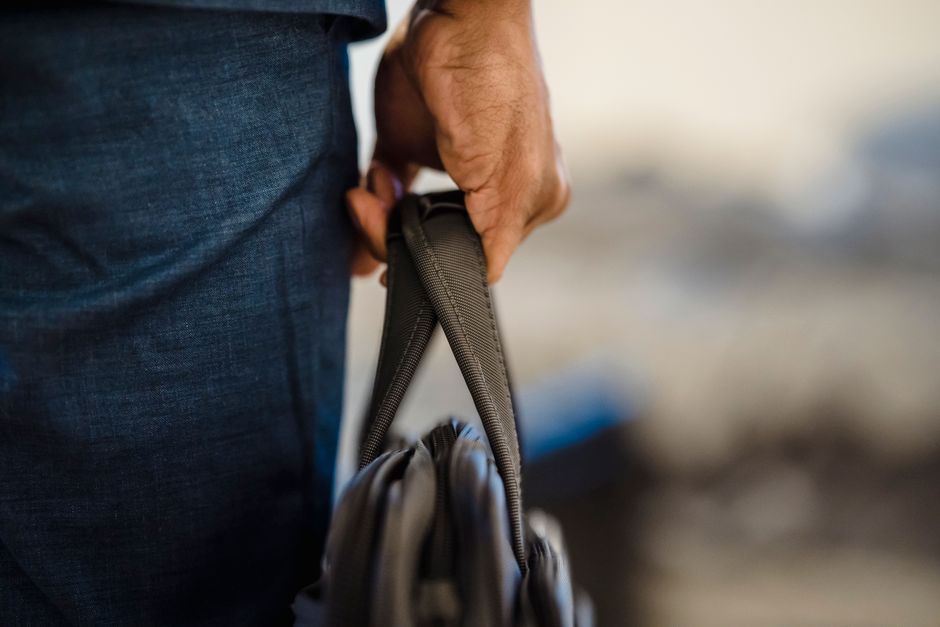
Abrasion resistance, stretch tolerances, and even the leather’s “breathability” can be quantified — all critical if your engineer carries sensitive instruments or lives in variable climates. Brands like CivilDigital integrate such leather, combined with design tolerances tight enough to hold up through rigorous daily use, into their products, catering precisely to those prioritizing function backed by materials science rigor.
Hardware Precision: Why Zippers Aren’t a Small Detail
Engineers hate friction with the same passion they have for calculations. The choice of zipper hardware speaks volumes about a briefcase’s overall quality. Von Baer designs emphasize precision-engineered metal hardware and hinges, but let’s not forget the zipper—the most stressed component in any briefcase.
YKK zippers standard-setters in the industry for cycle counts and tensile strength, withstand tens of thousands of opens and closes without misalignment or catch. In fact, YKK zippers undergo durability testing simulating harsh field conditions, providing a reliable seal and quiet operation engineers prize.
Built to Last: Field Checklist Tests and Durability
What’s a reliable briefcase worth if it falls apart before the flight home? Quality manufacturers integrate rigorous cycle testing — opening and closing zippers, flexing seams, and abrasion cycles measured to failure points. Concrete numbers matter:
Component Test Type Benchmark Typical Failure Point Leather Seams Tensile Strength > 50 kg/cm2 tensile stress Stitch breakage or deformation YKK Zippers Opening/Closing Cycles >20,000 cycles without catch Slider distortion or puller breakage Hardware (Buckle/Clasp) Fatigue Cycles & Corrosion >15,000 cycles, rust-free Hinge failure or corrosionBrands like CivilDigital incorporate these standards upfront to ensure the briefcases don’t just look good but survive the engineering equivalent of “grueling flight hours.” Such testing parallels aerospace reliability methods—measure, test, tweak, repeat.
Quiet Luxury Cues: Subtlety Over Showmanship
Engineers avoid flashy brand logos and over-the-top embellishments. Instead, they gravitate towards quiet luxury cues — impeccable stitching, fine-grain leather texture, and hardware engineered to disappear into the user experience.
Von Baer’s design ethos aligns with this principle, showcasing minimalist branding, highly functional elements (like well-measured compartments and reinforced corners), and excellence in finishing touches. The result is a briefcase that commands respect quietly, much like the precision engineering behind an aircraft control system.

Field Checklist: Your Engineer’s Briefcase Buying Guide
To sum up, here’s a practical checklist you can use when choosing a gift briefcase for an engineer:
- Measure Twice: Confirm device sizes and volume needs discreetly.
- Prioritize Organization: Include slots for notebooks, cables, and tools.
- Materials with Specs: Look for full-grain vegetable-tanned Tuscany leather, preferably Cuoio Superiore certified.
- Hardware Reliability: Ensure zippers are YKK brand or equivalent with proven cycle counts.
- Durability Tested: Request or verify manufacturer’s field checklist test results.
- Quiet Luxury: Minimalist design, subtle branding, finely crafted edges and seams.
Following this checklist aligns your gift with your engineer’s preference for functionality and measurable quality, making gifting less guesswork and more precision engineering.
Why CivilDigital, Von Baer, and YKK Should Be on Your Radar
If your budget permits, brands like CivilDigital and Von Baer represent the intersection of engineering precision and artisan craftsmanship. CivilDigital integrates certified materials like Tuscany’s Cuoio Superiore leather, proven through decades of vegetable tanning, with aerospace-grade design tolerances. Von Baer emphasizes hardware engineered for longevity, featuring YKK zippers tested well beyond industry standards, ensuring years of reliable function.
Partnering these names with YKK hardware brings together high tensile strength, predictable failure modes, and tried-and-true cycle counts—the kind of specs engineers respect and want backing every stitch of their everyday gear.
Final Thoughts
Choosing a gift briefcase that an engineer won’t just tolerate but actually appreciate requires a data-driven approach. Ignore marketing fluff. Think in terms of measurable materials quality, hardware lifecycle, and design fit compliant with their daily operational environment. When you nail those, you’re not only giving a briefcase; you’re giving an engineered tool designed to perform the way your engineer demands.
Next time you find yourself measuring seams covertly in an airport terminal, you’ll know exactly what specs to look for—and shore a foam rating meaning why.