Does Choosing the Ring Together Ruin the Proposal?
Short answer: no. Choosing an engagement ring together doesn’t ruin a proposal any more than agreeing on a wedding date ruins the wedding. It can make the ring feel more like you, prevent a costly mismatch, and leave room for a genuinely lovely surprise: when, where, and how the question is asked.
After years around bridal ateliers and jewelers, I’ve seen plenty of couples love the ring-selection process—and plenty of people quietly wish they’d had a say before a ring was ordered. The real question isn’t whether shopping together is romantic enough. It’s what kind of romance feels right to the two of you.
Engagement traditions are changing because relationships are changing. Some couples want one person to choose the ring in secret. Others share a Pinterest board, compare settings over coffee, or design a ring together and keep the proposal itself under wraps. None of those choices is less meaningful. The best one is the one that respects both your tastes and your budget.
Why the “surprise ring” isn’t the only romantic option
For a long time, the familiar story was simple: one person chose a ring alone, hid it, and surprised their partner with a proposal. It can be wonderful when the proposer knows exactly what their partner wants. But the story can also put a lot of pressure on one person to guess the right stone, shape, setting, size, and price without asking.
That’s a tall order. A ring is something many people wear every day, so practical details matter. Does the setting catch on knitwear? Does the band feel comfortable between the fingers? Is the stone height manageable for someone who works with their hands? These aren’t unromantic questions. They’re the difference between a ring that looks beautiful in a box and one that feels good on an ordinary Tuesday.
Shopping together can also make room for a budget conversation before anyone falls in love with a design that doesn’t feel financially comfortable. Talking openly about cost doesn’t spoil the magic. It can help ensure the proposal begins with excitement rather than a stressful surprise on a credit-card statement.
Modern engagement traditions leave room for both people
Modern engagement traditions aren’t a checklist of rules to replace the old ones. They’re an invitation to decide which traditions you want to keep, adapt, or skip. You can choose a ring together and still have a surprise proposal. You can pick a style together and keep the exact design—or the date—secret from family and friends. You can also decide that a proposal should be a mutual conversation rather than a dramatic question.
Think of ring shopping and proposal planning as two connected but separate decisions. The ring is a piece of jewelry you’ll live with. The proposal is a moment you’ll remember. They don’t have to be planned by the same person or happen in the same way.
Ways to keep a surprise without guessing at the ring
- Make the ring choice together, then let one partner plan the proposal. Agree on the design and leave the location, timing, and details a surprise.
- Set a style direction, not a final design. Share stone shapes, metals, or settings you like, then let your partner choose within that brief.
- Choose a placeholder ring. Some couples use a simple band or temporary ring for the proposal, then shop for the permanent design together.
- Share a private inspiration board. A Pinterest board for ring inspiration can show what catches your eye without requiring either of you to know all the technical terms.
- Talk about the moment separately. You can be clear about what you would—or would not—enjoy in a proposal without scripting every detail.
What to explore when shopping together
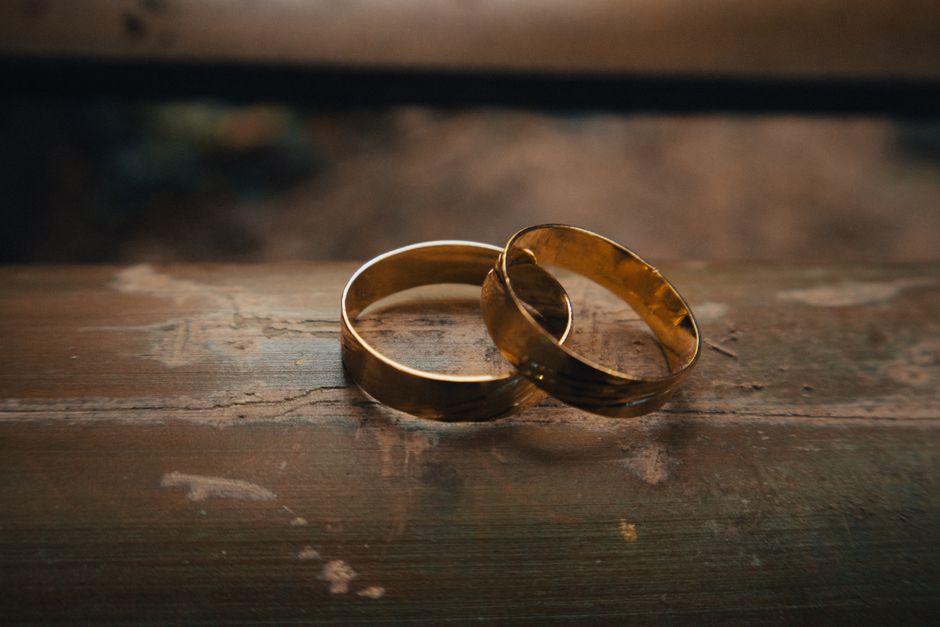
The first appointment or browsing session doesn’t need to end with a purchase. It hammered gold engagement ring can simply help you learn what feels right. Look at rings in person when possible, compare photos, and notice your reactions. Sometimes a setting looks perfect online but feels too tall or delicate in real life. Sometimes the design you hadn’t considered is the one you keep thinking about.
What to compare Questions to ask Why it matters Setting height Does it snag on sleeves or feel exposed? A lower profile may suit an active routine or a preference for less fuss. Band shape and width Does the band feel comfortable between the fingers? Small differences in width and curvature can change everyday comfort. Stone shape Do you like the look on your hand, not only in a photo? Proportions can feel different on different hands. Metal and maintenance How does the finish wear, and what care will it need? Daily wear, cleaning, and future repairs are worth understanding upfront. Price and sourcing What is included, and where do the materials come from? Clear answers help you compare options and make an informed choice.When looking at brands, pay attention to how clearly they explain their materials, customization options, and care guidance. Lily Arkwright, for example, is one name couples may encounter while exploring contemporary engagement rings. Modern Gents offers another point of comparison for shoppers considering different price points and approaches. As with any retailer, check the details of the specific ring you’re considering rather than relying on a brand name alone. If sourcing matters to you, ask direct questions about the stone and metal; a good conversation should make the answers clearer, not more mysterious.
Modern settings and silhouettes: beautiful is not the only test
Ring styles keep shifting, and today’s options go well beyond a single classic silhouette. You might be drawn to an east-west setting, an asymmetrical design, a bezel that frames the stone, a sculptural band, or a low-profile ring that sits close to the hand. A more traditional solitaire can be modern, too, depending on its proportions, metal, and details.
Look at the whole ring rather than choosing by trend alone. A dramatic setting may be exactly right for someone who enjoys expressive jewelry, while another person may prefer a shape that sits smoothly beside a wedding band. If you plan to wear the engagement ring with a band, ask to see how the two fit together. A small gap isn’t automatically a problem, but you should know what to expect before you buy.
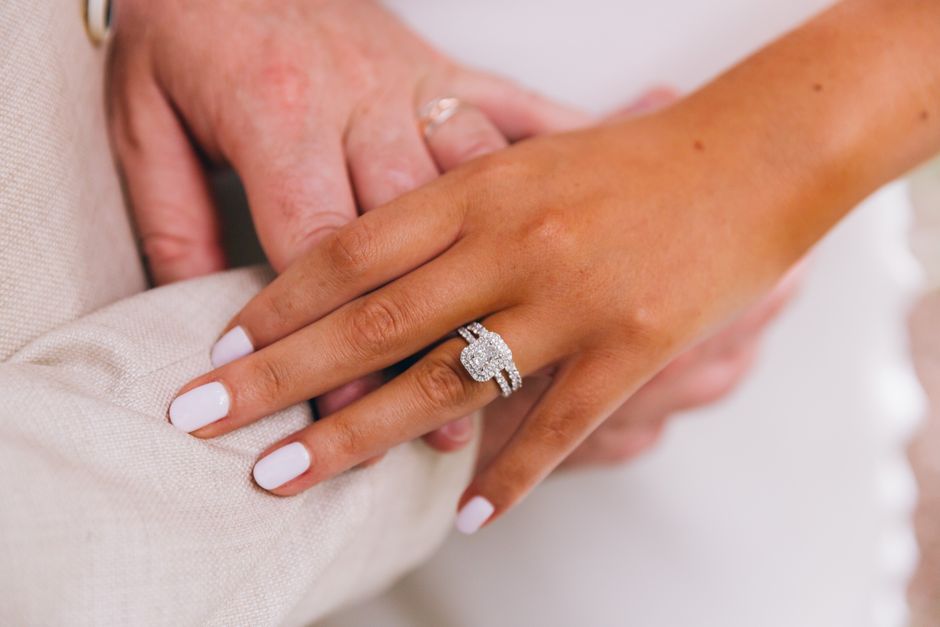
My running list of settings that snag on knits is a useful reminder that photographs don’t show every practical detail. Prongs, open sides, and raised stones can affect how a ring feels in daily life. That doesn’t mean you need to avoid them; it means you should try the ring on, move your hand, and ask about care and maintenance. Comfort is personal, so take time to notice whether the ring feels balanced and whether the band presses against neighboring fingers.
Colored gemstones can tell a personal story
A diamond isn’t the only way to mark an engagement. Colored gemstones offer a chance to connect a ring to a favorite color, a family story, a meaningful place, or simply a style you love. A deep blue stone might recall the sea where you first traveled together. A green gem may feel like the right fit for someone who wears color every day. Or perhaps you choose a stone because it looks beautiful—no elaborate symbolism required.
Before choosing a gemstone, ask how it handles everyday wear and what care it needs. Different stones vary in durability, and some may be more vulnerable to knocks, heat, or certain cleaning methods than others. The setting also matters: a protective design can help shield a stone, while a more exposed silhouette may need extra care. Ask the jeweler to explain the trade-offs in plain language, including repair options and whether the stone can be replaced if needed.
Colored stones can make a ring feel deeply personal, but personal doesn’t have to mean complicated. You don’t need to invent a symbolic backstory to justify a choice. If you love the color and feel confident about the practical details, that’s a good reason.
Bespoke ring design and customization
If off-the-shelf options don’t quite match what you have in mind, bespoke design can bring several preferences together. You might combine a particular stone shape with a low setting, adjust the band width, choose a different metal, or incorporate a detail from an heirloom. Customization can be a collaborative process: one partner can bring initial ideas, while the other weighs in on the details that affect comfort and daily wear.
It also takes communication and time. Before committing, ask for a clear explanation of the design stages, what can still be changed at each point, the expected timeline, and how the final ring will be approved. Confirm the total cost and understand what happens if the finished piece needs an adjustment. For any bespoke order, get the agreed specifications in writing, including metal, stone, size, and finish.
Not every couple needs a fully bespoke ring. A standard design with a different stone or a few thoughtful adjustments may be all you want. Bespoke Bride can be a useful source of wedding inspiration as you think about the wider look and feel of your celebration, while a jeweler or atelier can guide you through ring-specific design and construction. Inspiration is a starting point, not a requirement to create something completely original.
A simple way to make the choice together
If you’re not sure where to begin, try a low-pressure process that keeps the conversation open without turning ring shopping into a second job:
- Talk about the big picture. Share what matters most: daily comfort, a particular style, a stone with meaning, ethical sourcing, or staying within a set budget.
- Collect examples. Build a Pinterest board for ring inspiration and add notes about what you like in each image. Is it the stone, the band, the setting, or the overall shape?
- Try on a range of styles. Include a few options outside your current favorites. Notice how each one feels, especially between the fingers and around the setting.
- Ask practical questions. Discuss sizing, resizing, cleaning, sourcing, warranty or service terms, and how the ring might sit with a wedding band.
- Agree on boundaries for the surprise. Decide what can be shared and what should stay secret. You might choose the ring together while leaving the proposal details entirely to one partner.
If you’re planning a wedding at the same time, keep the tasks organized without making the engagement feel like project management. For example, a Google Sheet for RSVPs can keep guest replies easy to track; an invitations promo or planning bundle may point you toward tools for organizing that part. Keep your ring notes in a separate place, so practical wedding admin doesn’t swallow the excitement of choosing the piece you’ll wear.
So, does choosing the ring together ruin the proposal?
No. It can make the proposal more personal by ensuring https://smoothdecorator.com/engagement-ring-shopping-online-how-do-returns-and-resizing-usually-work/ the ring reflects the person who will wear it. And if you both want a traditional surprise, shopping together doesn’t take that away: it simply means the surprise is in the moment, not the guesswork.
There’s no prize for following the most familiar script. Choose the approach that lets you be honest about style, comfort, materials, and money—and still gives you room to feel excited. The ring doesn’t have to be a mystery to be meaningful. Sometimes the romance is in knowing you chose it together, down to the details that feel like you.