Best Laptop Bag for Executives Under $500 That Still Looks Sharp
A good executive laptop bag has to do more than look polished beside a conference table. It needs to fit your actual computer, carry comfortably through an airport, and hold its shape after a week of flights and client meetings. Under $500, you can find a sharp briefcase without paying luxury-brand prices—but you still need to check the details brands often leave out, especially empty weight, lining material, and the bag’s real laptop compartment dimensions.
My short version: choose a structured nylon or twill brief if you travel often and want lower weight; choose leather if presentation matters more than weight and you can verify the fit. In either case, buy by measurements, not by a “fits most laptops” claim.
What an executive laptop bag should do well
For frequent business travel, a laptop bag has four jobs: protect the computer, keep essentials organized, look appropriate in a boardroom, and stay comfortable when you’re carrying it longer than expected. A handsome bag that weighs five pounds empty is already taking up a lot of your carry allowance before you add a laptop, charger, and documents.
- Fit the laptop you own: Check the usable compartment’s width, height, and depth, and compare them with your laptop’s exterior dimensions.
- Carry comfortably: Look for a padded shoulder strap, a stable handle, and a weight that makes sense for your commute.
- Keep its shape: A structured body and protected base help a brief look composed in meetings and keep contents from slumping.
- Organize what you actually carry: Count usable pockets—not every small slot in the marketing photos.
- Work with your travel routine: A luggage pass-through can be useful, but it does not make a bag compliant with every airline’s personal-item rules.
Best styles to consider under $500
Best for frequent flights: a structured nylon travel brief
A well-designed travel brief is usually the practical choice for weekly flyers. It often provides better organization than a simple office case, while remaining lighter and easier to wipe clean than a large leather bag. Look for a padded laptop compartment, a secure place for a power adapter, and a main compartment that can take a slim change of clothes or a document folio.
A $419 travel brief is a useful price point to shop around: enough to access reputable travel-gear brands, but still below the $500 ceiling. At this price, don’t pay for a long list of pockets unless they are sized and positioned for things you carry. Check whether the laptop compartment has its own zipper, whether the bag can stand upright, and whether the shoulder strap is wide enough for a loaded commute.
Best for a classic look: a rugged twill brief
A $499 rugged twill brief can deliver a less corporate, more understated look than shiny black nylon while still feeling appropriate for a client meeting. Twill is a weave, not a guarantee of a particular fiber or level of durability, so check the product’s material description and care instructions. Some twill bags are designed to develop a worn-in appearance; that may be appealing, but it is not the same as a crisp, formal leather brief.
Briggs & Riley is worth comparing if you want a business-oriented bag with travel features, while Tumi offers a broad range of executive and travel styles. For either brand, evaluate the specific model rather than assuming the name alone means it is light, structured, or correctly sized for your laptop. Weigh the empty bag if the brand does not publish that number.
Best for a formal boardroom: a restrained leather brief
Leather can look excellent with a suit, https://azbigmedia.com/lifestyle/the-7-best-laptop-bags-for-executives-in-2026-leather-nylon-and-hybrid/ but it’s the category where empty weight deserves extra scrutiny. A full-grain leather brief may develop character over time, yet construction, hardware, lining, and size all affect the final weight. For a bag you’ll carry through terminals, compare its empty weight with a nylon alternative before you decide the visual upgrade is worth it.
Von Baer is a useful example of the gap between premium leather styling and this budget: the Von Baer City Large Leather Laptop Bag is listed at $1,795. The article notes that the brand never runs sales or discounts, so it is not a realistic under-$500 option. Treat it as a reference point for a luxury leather aesthetic, not as a recommendation for this budget.
Materials: what the labels do—and don’t—tell you
Material What it can offer What to verify Full-grain leather A natural surface and a formal, traditional appearance. It may develop a patina with use. Empty weight, leather thickness, lining material, finish, and care requirements. “Leather” alone does not establish quality. Ballistic nylon A durable, travel-friendly synthetic fabric often used in business luggage. Fiber and weave details, fabric weight, coatings, and whether the bag is stiff or flexible. “Ballistic” is not a promise that every bag will resist every kind of damage. Cordura A branded family of durable fabrics used in bags and other gear. The specific fabric type and denier. Cordura is not one single fabric specification, and a brand name does not tell you the bag’s total weight. Twill A diagonal weave that can create a softer, less technical look. Fiber content, coating, abrasion resistance, and cleaning instructions. Twill describes a weave, not a fiber.For background, see Wikipedia’s references on leather grades and leather terminology, ballistic nylon, and denier and yarn measurement. These are useful starting points, not substitutes for a manufacturer’s specification sheet. In particular, denier is a measure related to yarn linear density; it does not, by itself, prove that a finished bag is durable or heavy.
Laptop fit: measure the compartment, not the marketing claim
“Fits a 16-inch laptop” is not enough information. Screen size is measured diagonally, while the bag compartment has width, height, and depth. Two laptops with the same screen size can have different exterior dimensions, bezel designs, and corner shapes. A sleeve may also reduce the clearance you have available.
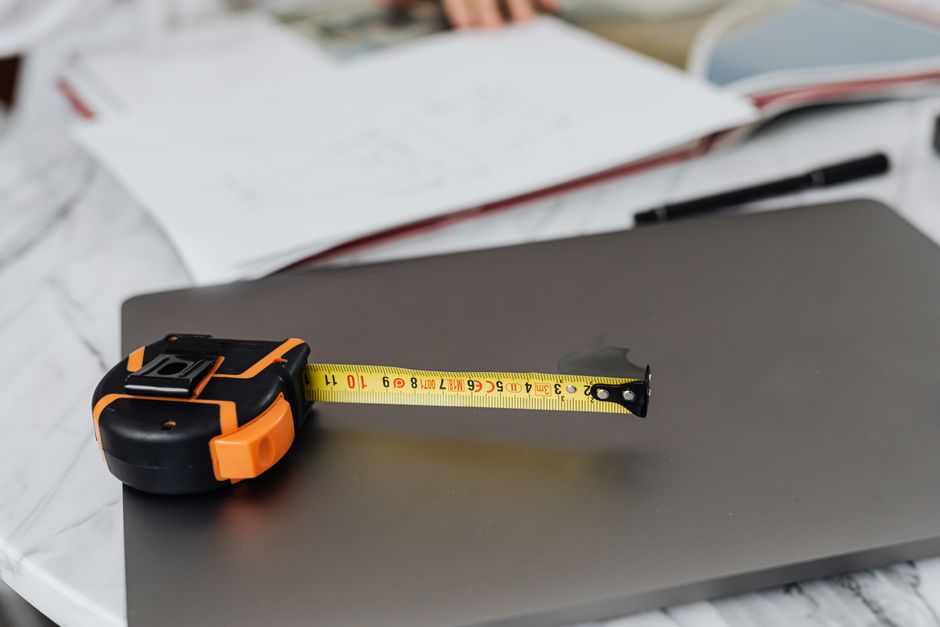
- Measure your laptop’s exterior: Record its width, height, and thickness, including any protruding feet or hinges.
- Measure the compartment: Use the bag’s stated internal dimensions, not the overall exterior dimensions. If only one dimension is provided, ask the seller for the rest.
- Allow clearance: The laptop should slide in and out without forcing the zipper or compressing the corners. Add room if you use a separate protective sleeve.
- Check the opening: A compartment can be large enough inside but too narrow at the zipper or top opening for easy access.
- Confirm protection: Look for padding on the base and sides, plus a raised or suspended laptop section that keeps the computer from hitting the floor when the bag is set down.
If a brand says the bag fits a 16-inch laptop but does not publish the compartment dimensions, treat that claim as unverified until you can confirm the fit. This is especially important when buying online or selecting a bag for a larger workstation laptop.
Empty weight, comfort, and usable organization
Start with empty weight, then picture the load you’ll actually carry. A laptop, charger, phone, notebook, water bottle, and a few travel documents can add up quickly. A heavy bag can be tolerable from the car to a meeting room and miserable through a long airport connection.
Compare the empty weight of the bags on your shortlist, ideally from the manufacturer’s specification. If it is missing, ask customer service or check a reliable retailer listing. Also look at the strap: a wide, adjustable strap with a nonslip shoulder section is more useful than a narrow strap decorated with a comfort claim. A luggage pass-through helps when the bag rides on a roller, but you’ll still carry it at other points in the trip.

For pockets, make a short inventory of your daily carry: laptop, charger, phone, pens, badge, passport, earbuds, and paperwork. Then count the pockets that can actually hold those items securely. A tiny pen slot is not a meaningful laptop accessory pocket, and an open slip pocket may not be the right place for a passport. Fewer well-sized, easy-to-reach pockets often work better than a maze of compartments.
Boardroom structure and airline practicality
For a sharp executive look, choose restrained colors, clean seams, and hardware that does not dominate the design. A structured briefcase keeps documents flatter and looks more composed when placed beside a chair. A soft bag may be more flexible and lighter, but can slump when it is only partly full. If you regularly carry a laptop and papers, a reinforced base and a firm front panel are practical features, not just aesthetic ones.
Do not assume a briefcase with a luggage sleeve is automatically a suitable personal item. Airlines set their own rules, and allowance details can change. Before flying Southwest, review its carry-on baggage policy page and check the current requirements for your itinerary. Measure the packed bag, including exterior pockets and handles, and leave room for it to fit where required. A bag that works under one seat on one aircraft may be a tight fit on another.
How to choose the right briefcase under $500
- Choose a travel brief if you prioritize organization, lower-maintenance materials, and regular airport use.
- Choose rugged twill if you want a more relaxed, understated alternative to technical-looking nylon.
- Choose leather if a formal appearance matters most and the weight, care, and laptop fit are acceptable.
- Compare exact models from Tumi and Briggs & Riley rather than shopping by brand reputation alone.
- Keep the budget honest: a $419 travel brief and a $499 rugged twill brief are near the limit, so check current pricing, taxes, and return terms before ordering.
Bottom line
The best laptop bag for an executive under $500 is the one that fits your computer with measurable clearance, carries comfortably when full, and looks appropriate in the rooms where you work. For frequent flyers, start with a structured travel brief and compare its empty weight against a twill or leather option. For a more formal boardroom presence, leather may be worth the added weight—but only if the dimensions, lining, and construction are clearly documented.
Before buying, verify three things directly: the laptop compartment’s internal measurements, the bag’s empty weight, and the material used for both the exterior and lining. If a product page hides those basics behind vague claims, keep shopping. A sharp briefcase should not require guesswork.